An Introduction
This is not a single op-ed. It is five windows into a fragile economy told through the vantage point of someone who has lived on both sides of the systems we like to call safety nets.
In 2006, I gave birth to my son at 24 weeks. He came into the world fighting for his life, and that reality shaped mine. By 2008, I was a single mom living on a fixed income of SSI and child support, on Section 8, figuring out how to pay bills, buy groceries, and hold on to a dream that I could do more than survive. That same year, I began laying the foundation for what would later become my consulting firm—ToyBox—because if I couldn’t find opportunity, I had to build it.
By 2016, I was working at the minimum wage at the YMCA while also serving as a paraprofessional in schools. I put myself through online college while sometimes working three jobs, pursuing promotions, and seizing every opportunity to excel through thought leadership, community commitment, and building high-performing teams. By 2018, I finished my degree and was recognized as an emerging Global Leader by YMCA of the USA. By Feb 2022, I was a Chief Operating Officer at a community safety, diversion, and re-entry focused organization in Seattle. Six months later, I lost my Section 8 voucher after 14 years of backbone support.
In 2025, I find myself unemployed at a time when joblessness is rising disproportionately for Black women. Our unemployment rate remains well above the U.S. average, and many have exited the labor force even as the broader economy adds jobs. In the midst of this, I am rebuilding my business full-time. I serve on three boards in Bellevue—The Sophia Way, the Bellevue Chamber, and SPLASHForward. I am doing everything that is supposed to define success, and yet I am still forced to navigate systems that don’t work the way they should for people like me.
That lived experience is not just personal history. It is a lens into how fragile our economic and civic structures really are. Each essay in this series examines one critical piece of that fragility:
1. Housing & Livability — Why housing insecurity isn’t just a personal crisis but a threat to small business vitality and community stability.
2. Community Safety — What I learned from lifeguarding, diversion, community safety, and reentry work about the high cost of reaction versus prevention.
3. Nonprofit Fragility — Why passion-driven nonprofits fail without capacity funding, and how philanthropy and government perpetuate the cycle.
4. Technology & Access — How the digital divide is more than broadband and why treating IT as a utility is urgent for equity.
5. Inclusive Economic Growth — What systemic exclusion looks like in practice, and why performance-based funding, transparency, and faster disbursement are non-negotiable.
Taken together, these essays are both a cautionary tale and a call to action. They argue that the cracks in our systems are not abstract policy failures—they are living realities with compounding consequences. And they argue that inclusion is not charity. It is infrastructure.
I have lived these contradictions: from a Section 8 voucher holder to an executive; from rebuilding alternators with a neighbor using eBay parts and a YouTube video just to overcome the barrier of not having reliable transportation, to rebuilding organizations with multi-million-dollar budgets. These experiences have taught me that systems don’t fail in isolation—they fail in layers. And when they do, the people closest to the ground are the ones most impacted.
This series is about insisting on better systems. For housing. For safety. For nonprofits. For technology. For entrepreneurs and excluded founders.
If the system isn’t built for us, then we must build better systems.
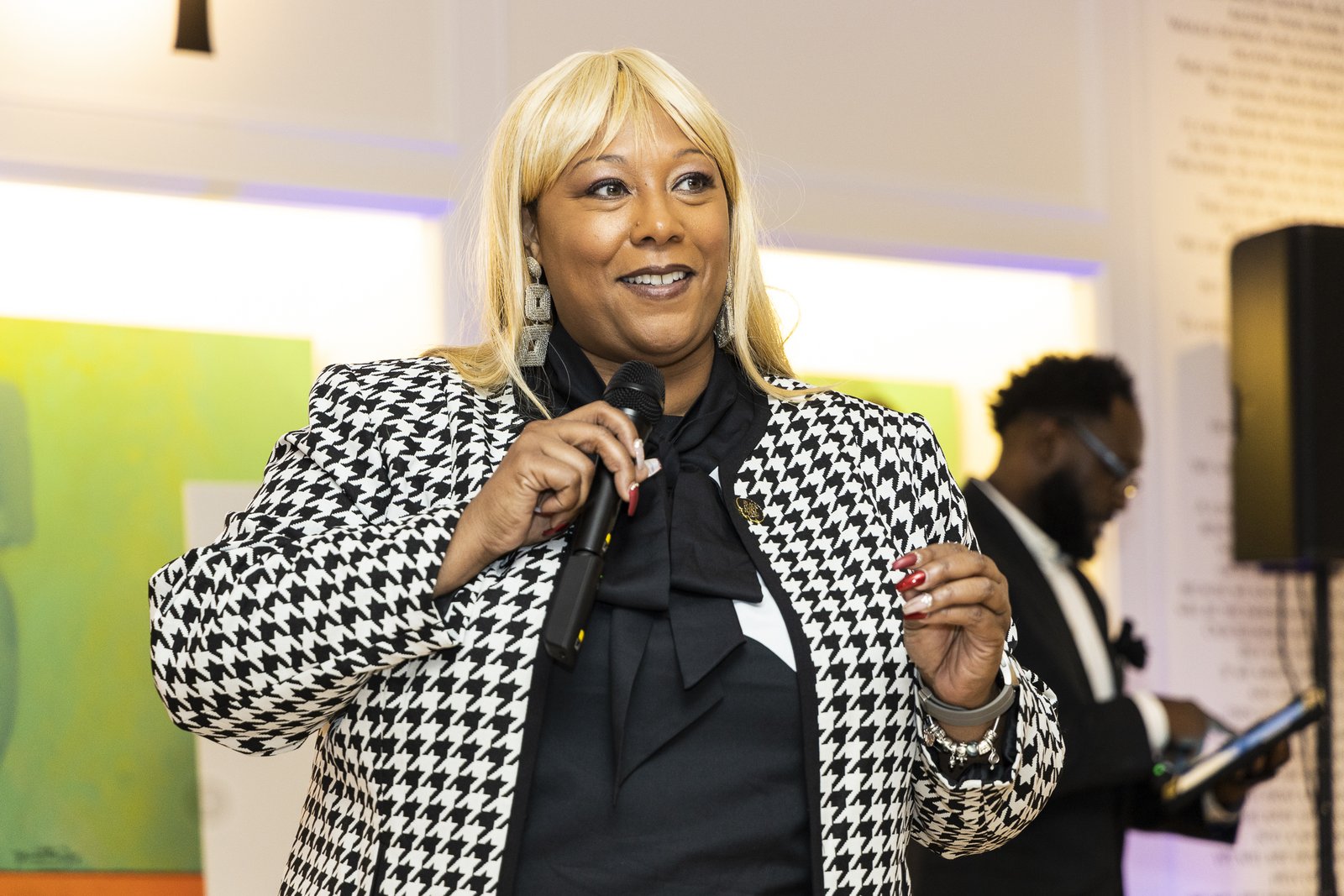
This introduction is only the beginning. The first essay in this series will be published soon, and I invite you to subscribe so you don’t miss it. You can also follow me on TikTok, X, Instagram, and Facebook at @katoyapalmer, where I’ll share video companions and invite you to join the conversation. Don’t forget to like, share, and comment—your engagement helps expand the dialogue and ensures these stories reach the people who need them most.